


Mission Statement
Our mission is to protect the health and safety of the residents and taxpayers of Bannockburn, Riverwoods, Deerfield, Highland Park, and Highwood by reducing the risk of disease through science-based, ecologically sound mosquito control. We accomplish this efficiently and effectively. We have no employees, no pension costs, no facilities and no equipment. We outsource all seasonally required services to our contractor, Clarke, the foremost mosquito environmental management firm.
West Nile Virus 2023 - YTD October 25, 2023 |
|||
County |
Birds |
Mosquito Batches |
Human Cases |
COOK |
1 |
2,602 |
61 |
DUPAGE |
0 |
170 |
16 |
LAKE |
0 |
172 |
1 |
MCHENRY |
3 |
56 |
1 |
| 61 ADDITIONAL COUNTIES | 41 | 388 | 34 |
| 65 Counties - IL TOTAL | 45 | 3,388 | 113; 5 Fatal |
WNV Mosquito Batch/Samples from Southlake region:
Ft. Sheridan (6), Highland Park (14), Bannockburn (4), Riverwoods (6), Deerfield (7)
IDPH Reports First 2023 Human Case of West Nile Virus in Lake County
Lake County, Ill - The Lake County Health Department and Community Health Center is reporting the first human case of neuroinvasive West Nile virus in Lake County for 2023. A Lake County resident in their 60s became ill in early September. "Nobody likes to get sick, especially from something as little as a mosquito bite," said Health Department Executive Director Mark Pfister "By taking steps to protect ourselves from mosquitoes, we can keep potentially severe illness at bay." So far in 2023, 144 out of 676 (21%) batches of mosquitoes have tested positive for West Nile virus.To Read Full news release
IDPH Reports First Illinois West Nile Virus Death of 2023
August 23, 2023 - The Illinois Department of Public Health (IDPH) announced the first Illinois human West Nile virus (WNV)-related death in 2023. Testing by CDC confirmed the case was WNV-related. The individual, who was in their 90’s and lived in suburban Cook County, had an onset of symptoms of WNV in early August and died soon after. IDPH is also reporting 11 non-fatal cases of WNV confirmed to date this year. To Read Full new release
Mosquitoes Test Positive for West Nile Virus in Lake County
Lake County, Ill - Mosquito "pools" (batches of mosquitoes) sampled on June 27, 2023 in Bannockburn, Lake Villa, and Vernon Hills have tested positive for West Nile virus. These mosquito pools are the first confirmed indicators of West Nile virus presence in Lake county in 2023. "We expect mosquitoes every summer, but it is important to remember that they can also carry diseases like West Nile Virus," said Mark Pfister, Executive Director of the Lake County Health Department and Community Health center. "By learning to 'Fight the Bite', we can protect ourlseves and our families from a potentially deadly disease."To read full article
April 27, 2021 Genetically modified mosquitoes to be released in Florida.
Per Tim Fitzsimons - Florida will begin releasing genetically modified mosquitoes this week as part of its efforts to control one of the disease-spreading species of the biting insect. The State will release almost 144,000 nonbiting male mosquitoes in the coming weeks engineered by the British firm Oxitec that are meant to mate with biting females, with any resulting female offspring unable to survive. Read Full Story
January 18, 2021 The discovery of a novel mosquito on guantanamo Bay reveals how globalisation is threatening to unleash the next pandemic.
During the night of 18 June 2019, on the US naval base in Guantanamo Bay, Cuba, an intruder was caught in a trap. Soldiers are accustomed to prisoners wishing to breakout of Guantanamo. the base is best known as the place where the US indefinitely confines suspects inits "was on terror", without due process or trial. For an intruder to make her way in was unusual. Even stranger, no one had ever seen anything like her on this side of the world. The first witnesses to get a close look described the interloper this way... - Read Full Story
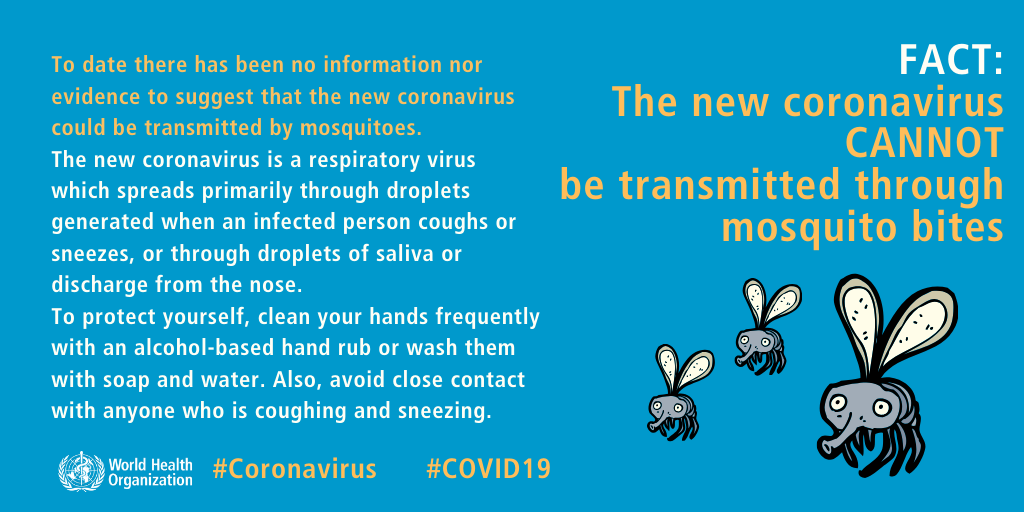
The Southlake Mosquito Abatement District (www.slmad.org) is continuing to monitor local mosquito populations and test samples for West Nile Virus. While the absolute number of Mosquitoes is not high, the District has seen an uptick in mosquito samples testing positive for West Nile, making personal protective measures throughout the rest of the season very important.-Read Full StoryThe WHO (World Health Organization) reports that to date, there has been no information nor evidence that the new coronavirus could be transmitted by mosquitoes"- Can Mosquitoes Transmit Covid-19?
5G mobile networks DO NO spread COVID-19 - Viruses cannot travel on radio waves/mobile networks. COVID-19 is spreading in many countries that do not have 5G mobile networks. COVID-19 is spread through respiratory droplets when an infected person coughs, sneezes or speaks. People can also be infected by touching a contaminated surface and then their eyes, mouth or nose. -More
CDC reports no local mosquito-borne Zika virus transmission in the continential United States, Alaska or Hawaii in 2019. CDC also reports that there have been no confirmed Zika virus disease cases reported from United States territories. -More
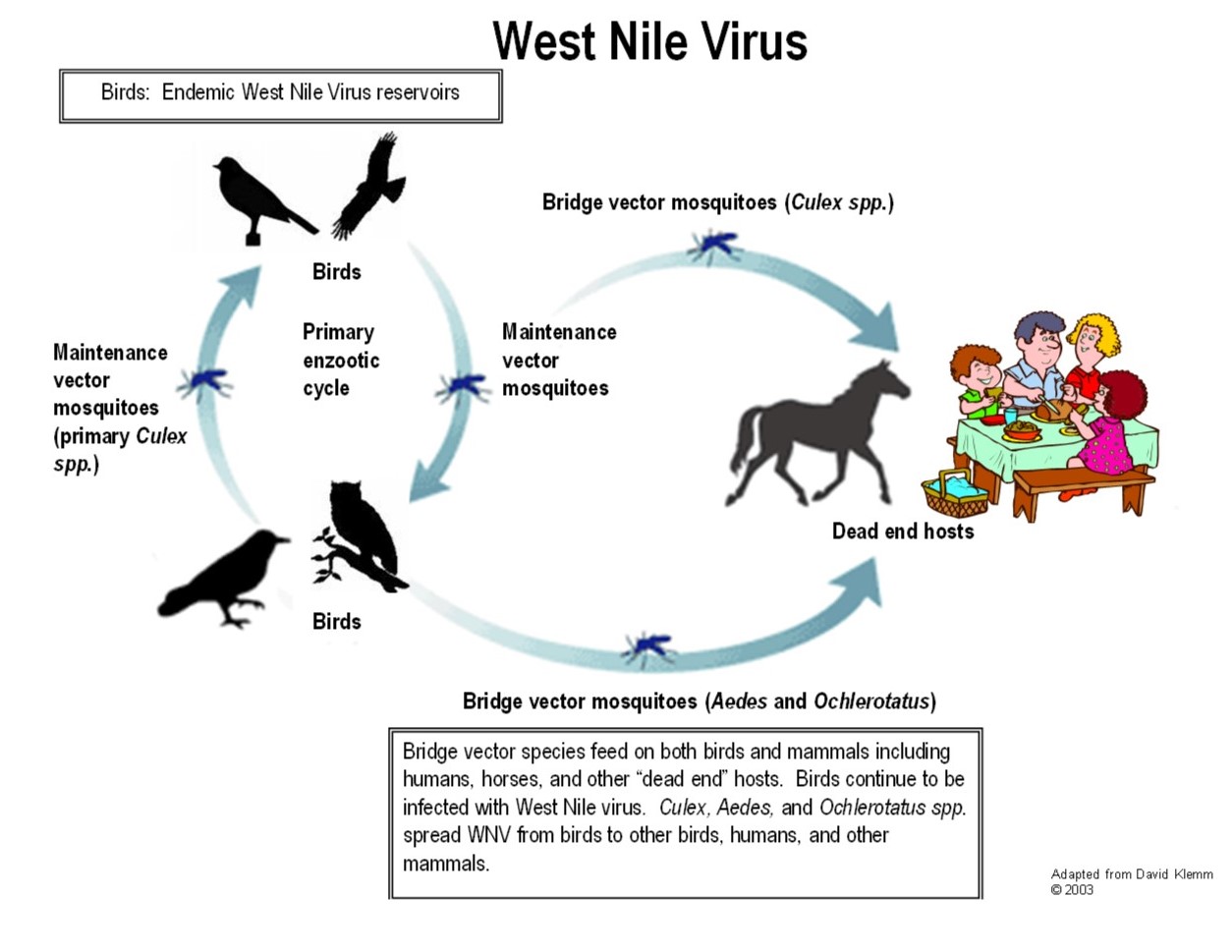
If you are traveling outside of the continental United States or its territories, please see the Zika Travel Information Page The South Lake Mosquito Abatement District was created by State statutory procedure in the 1920’s. Voluntary annexations of territories not included in the original District has taken place over the years. Several towns (Bannockburn and Riverwoods), Deerfield west of Wilmot Road, and in more recent cases (Fort Sheridan), subdivisions and land parcels or corporate properties have been annexed into the district to receive mosquito management services. Protect yourself against mosquito bites Flooding and Mosquitoes The recent heavy rains and subsequent flooding has increased the number of mosquito broods, especially in flood plain areas along the Des Plaines River and local branches of the Chicago River. Southlake Mosquito Abatement District (SLMAD) has increased both inspections and larval control in the areas most affected by flooding, especially in portions of the City of Highland Park and Village of Riverwoods. Helicopter larval control has been done for some flooded areas of Riverwoods. Adult mosquito control within the district (by truck-mounted ultra-low-volume misters) has been done based on trap counts, as usual. We have responded to a number of complaints of standing/stagnant water and mosquito problems. We encourage residents to check their yards for, and empty, anything that will hold stagnant water—flower pots, children’s toys, watering cans, etc. Ornamental fountains and decorative ponds are among the most common mosquito breeding sites in residential areas. Fountains do have moving water, but the water usually doesn’t run fast enough to prevent mosquito breeding, so fountains should be cleaned out once or twice a week, or a larvicide (which is safe for birds, fish, and other animals) used. Stop Growing Mosquitoes in your Yard! Does a West Nile Virus Vaccine Exist? There is no vaccine to protect again West Nile Virus, and anti-viral medicine are ineffective. The best way to keep from being infected is to avoid getting bitten by mosquites. Current preventive measures in South Lake Mosquito Abetement District include frequent and on-going surveillance, larvaciding and adultciding. Updates on Zika virus from the Centers for Disease Control What we know about Zika virus infection and transmission Zika virus can be passed from a pregnant woman to her fetus. Infection during pregnancy can cause a birth defect called microcephaly and other severe fetal brain defects Zika primarily spreads through infected mosquitoes. You can also get Zika through sex without a condom with someone infected by Zika, even if that person does not show symptoms of Zika. There is no vaccine to prevent or medicine to treat Zika How likely it is that Zika infection will affect your pregnancy. If your baby will have birth defects if you are infected while pregnant. The full range of health effects that Zika virus infection during pregnancy might cause. For more information on pregnancy and pregnancy outcomes Click Here
Eastern Equine Encephalitis Virus - Another Emergent Arbovirus in the United States
New England Journal of Medicine - David M Morens, M.D., Gregory K Folkers, M.S., M.P.H., and Anthony S. Fauci M.D.
Humans have always lived in the intimate association with Arthropods that transmit pathogens between humans or from animals to humans. About 700,000 deaths due to vectorborne diseases occur globally each year, according to World Health Organization estimates. In the summer and fall of 2019, nine U.S. states have reported 36 humans cases (14 of them fatal) of one of the deadliest of these diseases: eastern equine encephalities (EEE), an arthropod-borne viral (arboviral) disease transmitted by mosquitoes. In recent years, the Americas have witnesses a steady stream of other emerging or reemerging arboviruses, such as dengue, West Nile, chikungunya, Zika, and Powassan, as well as increasing numbers of travel-related cases of various other arboviral infections. This year's EEE outbreaks may thus be a harbinger of a new era of arboviral emergences. - More
Back to Top
